

Introduction to IoT (Internet of Things)
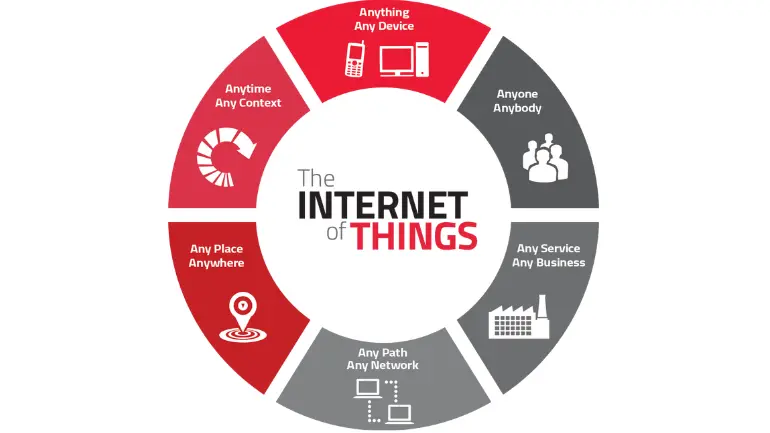
The Internet of Things (IoT) is one of the most powerful technologies shaping the future. It connects everyday devices to the internet and allows them to send and receive data. These devices can work automatically without human effort.
In simple words, IoT means smart devices talking to each other through the internet.
Today, IoT is not only used in industries but also in homes, schools, and cities. Students must understand this technology early to stay ready for future careers.
What is IoT in Simple Words?
IoT stands for Internet of Things.
- “Internet” means connection
- “Things” means devices
So, IoT means connecting devices to the internet so they can share data and work smartly.
Example for Students
- A smart fan that turns on automatically
- A smartwatch that tracks your steps
- Smart lights that switch off when no one is in the room
These devices use IoT technology.
How Does IoT Work?
IoT works through four simple steps:
1. Devices (Sensors)
Devices collect data from the environment.
Example: temperature sensors, motion sensors
2. Internet Connection
The device sends data through Wi-Fi or mobile networks.
3. Data Processing
A system or software analyzes the data.
4. Action
The device takes action automatically.
Example: turning on AC when temperature rises
This process makes IoT systems smart and efficient.
Real-Life Examples of IoT
IoT is already part of daily life. Students can relate to these examples easily:
Smart Homes
- Smart lights
- Smart TVs
- Voice assistants
Smart Schools
- Digital attendance systems
- Smart classrooms
- Energy-saving devices
Healthcare
- Fitness bands
- Remote health monitoring
Transportation
- GPS tracking
- Smart traffic systems
These examples show how IoT improves convenience and efficiency.
Why Should Students Learn IoT?
IoT is a future-ready skill. Learning IoT at an early age builds strong technical knowledge.
Key Benefits for Students
1. Builds Practical Skills
Students learn coding, electronics, and problem-solving.
2. Improves Creativity
IoT projects encourage innovation and logical thinking.
3. High Career Demand
IoT professionals are in high demand across industries.
4. Prepares for Future Jobs
IoT connects with AI, robotics, and data science.
Top IoT Skills Students Should Learn
Students can start learning IoT step by step.
Basic Skills
- Basic coding (Scratch, Python)
- Understanding sensors and circuits
Intermediate Skills
- Arduino and Raspberry Pi
- IoT project development
Advanced Skills
- Cloud computing
- Data analytics
- AI integration
Learning these skills builds a strong technical foundation.
Best IoT Projects for School Students
Hands-on projects help students understand IoT better.
Beginner Projects
- Smart light system
- Temperature monitoring system
Intermediate Projects
- Smart irrigation system
- Home automation system
Advanced Projects
- Smart city model
- IoT-based security system
These projects improve both knowledge and confidence.
Applications of IoT in Education
IoT is transforming modern education systems.
Smart Classrooms
Teachers use smart boards and connected devices.
Attendance Systems
Schools track attendance automatically.
Energy Management
IoT helps reduce electricity usage.
Remote Learning
Students access learning tools from anywhere.
This improves both learning quality and efficiency.
Future Scope of IoT
IoT is growing rapidly across the world. It will become a core part of every industry.
Industries Using IoT
- Healthcare
- Agriculture
- Manufacturing
- Smart cities
- Education
Career Opportunities
- IoT Developer
- Embedded Engineer
- Data Analyst
- Robotics Engineer
Students who learn IoT today will get better opportunities tomorrow.
Why Choose ADU Education for IoT Learning?
ADU Education focuses on practical and future-ready learning.
What You Get
- Hands-on IoT training
- Real-world projects
- Expert guidance
- Industry-relevant curriculum
For Schools
- Complete IoT lab setup
- Smart classroom integration
- Training for teachers and students
ADU Education helps students build skills that matter in real life.
How to Start Learning IoT Today
Students can start learning IoT easily with the right guidance.
Step-by-Step Approach
- Learn basic coding
- Understand electronics
- Start small projects
- Join IoT training programs
- Practice regularly
Consistency is the key to mastering IoT.
Take the first step toward a future-ready career with IoT learning. ADU Education offers complete training programs, hands-on projects, and expert support for students and schools.
Whether you want to enroll your child in an IoT course or set up a smart lab in your school, our team will guide you at every step.
📞 Call Now: +91-7566684701
🏢 ADU Education – Future Skills Learning Platform
Get a free consultation and start building real-world skills today.
FAQs – Internet of Things (IoT)
1. What is IoT in simple terms?
IoT means connecting devices to the internet so they can collect and share data automatically.
2. Is IoT easy to learn for students?
Yes, students can learn IoT step by step with basic coding and simple projects.
3. What are examples of IoT devices?
Smartwatches, smart lights, fitness bands, and home automation systems.
4. What skills are required to learn IoT?
Basic coding, electronics knowledge, and problem-solving skills.
5. Is IoT a good career option?
Yes, IoT offers high-paying career opportunities in many industries.
6. At what age can students start learning IoT?
Students can start learning IoT from middle school with basic concepts.
7. How is IoT used in schools?
IoT helps in smart classrooms, attendance tracking, and energy management.
8. Do students need coding knowledge for IoT?
Basic coding helps, but beginners can start without advanced knowledge.
9. What are the benefits of IoT projects?
Projects improve practical skills, creativity, and understanding of technology.
10. Where can students learn IoT in India?
Students can join structured programs like ADU Education for hands-on learning.
Author Profile

Latest entries
 AICTE Idea LabMay 29, 2026AICTE IDEA Lab Equipment List: What Colleges Need for Future-Ready Technical Education
 AIMay 28, 2026NEP 2020 and Robotics Labs: Why Schools Must Upgrade Their Learning Model
 AIMay 15, 2026Future of Education: AI, Coding & Robotics
 EducationMay 11, 2026How Technology Education Builds Leadership Skills in Students

Leave a Reply