


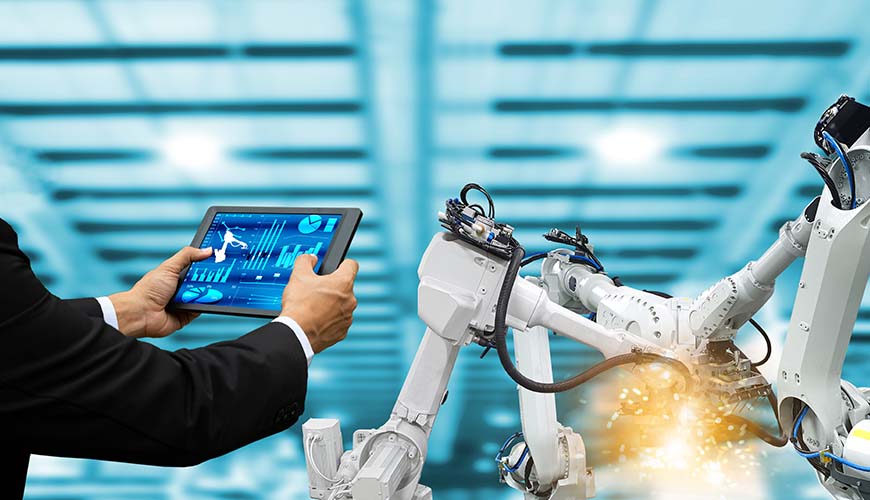
Robotics is one of the most exciting technologies shaping the future. Students see robots in movies, schools, and even hospitals. Many schools now include robotics in their curriculum because it builds real-world skills.
ADU Education focuses on future-ready learning. It helps schools and students understand advanced technologies like robotics in a simple and practical way. This guide explains robotics in an easy format so that every student can understand it clearly.
What is Robotics?
Robotics Courses is a branch of Engineering and Computer Science that focuses on designing, building, and programming robots.
A robot is a machine that can perform tasks automatically. It follows instructions through software and sensors.
Robotics combines different technologies such as:
- Mechanical design
- Electronics
- Programming
- Artificial Intelligence
In simple words, robotics means creating smart machines that can think, move, and perform tasks like humans.
What is a Robot?
A robot is not always a human-like machine. It can be any device that works automatically.
Examples of robots students can see in real life:
- Cleaning robots at home
- Machines in factories
- Delivery robots
- Medical robots used in surgeries
Robots use sensors to understand their surroundings. They use programs to decide what action to take.
How Does Robotics Work?
Robotics works through a combination of hardware and software systems.
1. Sensors
Sensors collect information from the environment. For example, a robot can detect light, distance, or temperature.
2. Controller
The controller acts like the brain of the robot. It processes the data and makes decisions.
3. Actuators
Actuators help the robot move. Motors and wheels fall under this category.
4. Programming
Programming gives instructions to the robot. Students use coding languages to control robot behavior.
All these parts work together to make a robot perform tasks.
Types of Robots Students Should Know
Robotics includes many types of robots. Understanding these types helps students learn better.
Industrial Robots
Factories use these robots for manufacturing and packaging tasks.
Service Robots
These robots help people in daily tasks. Cleaning robots and delivery bots fall into this category.
Medical Robots
Doctors use robots in surgeries for precision and safety.
Educational Robots
Schools use these robots to teach coding and problem-solving.
Autonomous Robots
These robots work without human control. Self-driving systems use this technology.
Why Robotics is Important for Students
Robotics is not just a subject. It is a skill for the future.
Improves Problem-Solving Skills
Students learn how to break problems into steps and find solutions.
Builds Logical Thinking
Robotics teaches students how systems work and how to control them.
Encourages Creativity
Students design and build their own robots.
Prepares for Future Careers
Many industries now depend on robotics and automation.
Boosts Confidence
Students gain confidence when they build working models.
Skills Students Learn from Robotics
Robotics helps students develop important technical and life skills.
- Coding and programming
- Analytical thinking
- Teamwork and collaboration
- Innovation and creativity
- Basic electronics knowledge
These skills help students in academics and future careers.
Real-Life Uses of Robotics
Robotics plays a major role in many industries today.
Healthcare
Robots assist in surgeries and patient care.
Education
Schools use robots for hands-on learning.
Space Research
Organizations like NASA use robots to explore planets.
Agriculture
Farmers use robots for planting and harvesting.
Defense
Robots help in surveillance and dangerous missions.
These examples show how robotics impacts real life.
Robotics vs Artificial Intelligence
Students often confuse robotics with Artificial Intelligence.
- Robotics focuses on machines and hardware
- Artificial Intelligence focuses on software and decision-making
When both combine, robots become smarter and more advanced.
Best Age to Start Learning Robotics
Students can start learning robotics from a young age.
- Ages 6–10: Basic concepts and simple kits
- Ages 11–14: Intermediate projects and coding
- Ages 15+: Advanced robotics and AI integration
Early learning builds a strong foundation.
How Schools Can Introduce Robotics
Schools can easily start robotics programs with the right approach.
- Set up a basic robotics lab
- Use beginner-friendly robotics kits
- Train teachers with structured programs
- Include robotics as an extra subject
ADU Education supports schools with complete robotics learning solutions. It provides structured curriculum, training, and hands-on learning.
Future of Robotics in Education
Robotics will become a core part of education in the coming years.
Students who learn robotics today will lead tomorrow’s technology-driven world. Industries already demand robotics and automation skills.
Governments and schools now focus on STEM education. Robotics plays a key role in this transformation.
FAQs
What is robotics in simple words?
Robotics means designing and building machines that can perform tasks automatically using programming and sensors.
Why should students learn robotics?
Robotics builds problem-solving, coding, and analytical skills. It prepares students for future careers.
Is robotics difficult for beginners?
No. Students can start with simple kits and gradually move to advanced levels.
What skills are needed for robotics?
Students need basic coding, logical thinking, and creativity.
Can robotics help in future careers?
Yes. Robotics skills open career opportunities in engineering, AI, automation, and technology fields.
Final Thoughts
Robotics Certification is not just a trend. It is a future skill that every student should learn. It builds technical knowledge and practical skills.
Schools and parents must support students in learning robotics early. It helps them stay ahead in a competitive world.
ADU Education provides structured robotics programs designed for school students. It focuses on practical learning, skill development, and future readiness.
If you want your school or child to start learning robotics, now is the right time to take action.
Author Profile

Latest entries
 AICTE Idea LabMay 29, 2026AICTE IDEA Lab Equipment List: What Colleges Need for Future-Ready Technical Education
 AIMay 28, 2026NEP 2020 and Robotics Labs: Why Schools Must Upgrade Their Learning Model
 AIMay 15, 2026Future of Education: AI, Coding & Robotics
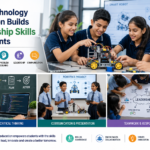 EducationMay 11, 2026How Technology Education Builds Leadership Skills in Students

Leave a Reply