


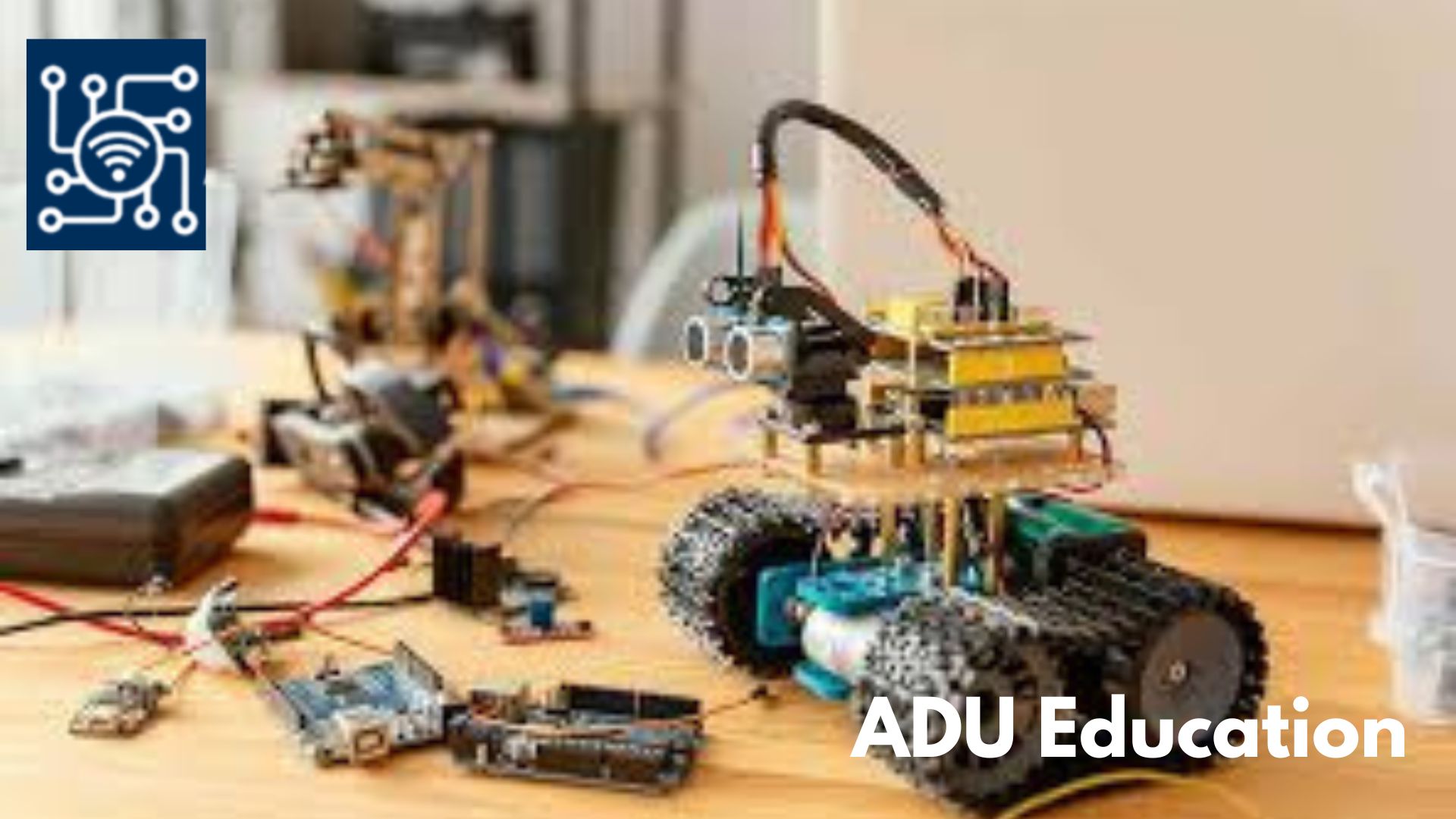
Education is changing fast. Schools no longer focus only on books and theory. They now focus on practical learning and real-world skills. Robotics labs play a major role in this transformation.
Students today grow in a digital world. They interact with smart devices, apps, and automation systems every day. Schools must match this environment. Robotics labs give students the right exposure to future technologies.
ADU Education helps schools build future-ready learning systems. Robotics labs stand as one of the strongest steps toward modern education.
What is a Robotics Lab in Schools?
The online robotics courses is a dedicated space where students learn to design, build, and program robots. It includes tools, kits, and software that support hands-on learning.
Students do not just read concepts. They apply them. They build models, test ideas, and solve problems.
A robotics lab usually includes:
- Robotics kits
- Sensors and motors
- Microcontrollers
- Coding platforms
- Workstations for students
This setup creates an environment where learning becomes active and engaging.
Why Robotics Labs Are Important for Schools
Robotics labs offer more than just technical knowledge. They shape how students think and solve problems.
Practical Learning Over Theory
Students understand concepts faster when they practice them. Robotics labs turn theory into action. This improves retention and understanding.
Builds Future Skills
Robotics combines multiple disciplines such as Engineering, coding, and Artificial Intelligence. Students gain skills that industries demand.
Encourages Innovation
Students create their own projects. They experiment and improve their ideas. This builds creativity and innovation.
Improves Academic Performance
Hands-on learning improves focus. Students show better results in subjects like math and science.
Key Benefits of Robotics Labs for Students
1. Strong Problem-Solving Skills
Students learn how to break complex problems into smaller steps. They test solutions and refine them.
2. Better Logical Thinking
Robotics teaches structured thinking. Students understand cause and effect.
3. Confidence Building
Students feel confident when they create working models. This builds a growth mindset.
4. Team Collaboration
Robotics projects often require teamwork. Students learn communication and collaboration.
5. Career Readiness
Industries demand robotics and automation skills. Early exposure prepares students for future careers.
Real-World Applications Students Understand
Robotics labs connect classroom learning with real-life use.
Healthcare
Robots assist doctors in surgeries and patient care.
Space Exploration
Organizations like NASA use robots to explore planets and collect data.
Manufacturing
Factories use robots for precision and efficiency.
Agriculture
Farmers use robots for planting and harvesting.
These examples help students see the real value of robotics.
Robotics Labs Support Modern Education Policies
India’s education system now focuses on skill-based learning. The National Education Policy 2020 encourages schools to adopt practical and multidisciplinary learning.
Robotics labs align perfectly with this vision. They combine science, technology, engineering, and mathematics (STEM) into one learning experience.
Schools that adopt robotics labs stay ahead of others. They meet modern education standards and prepare students for future challenges.
How Robotics Labs Improve School Growth
Robotics labs do not benefit only students. They also help schools grow.
Improves School Reputation
Schools offering advanced learning attract more parents and students.
Increases Admissions
Parents prefer schools that focus on future skills.
Builds Competitive Advantage
Robotics labs differentiate schools from competitors.
Enhances Brand Value
Schools become known for innovation and quality education.
Common Challenges Schools Face
Many schools want robotics labs but hesitate due to challenges.
Cost Concerns
Schools think robotics labs require high investment. In reality, they can start with basic setups.
Lack of Expertise
Schools may not have trained teachers. Training programs solve this issue.
Curriculum Integration
Schools may struggle to include robotics in their schedule. Structured programs make integration easy.
ADU Education provides complete support. It helps schools set up labs, train teachers, and implement curriculum.
How Schools Can Set Up Robotics Labs
Schools can follow a simple step-by-step process.
Step 1: Define Learning Goals
Decide what students should learn at each level.
Step 2: Choose the Right Kits
Select beginner-friendly robotics kits.
Step 3: Train Teachers
Provide training so teachers can guide students effectively.
Step 4: Create a Curriculum
Design structured lessons for different classes.
Step 5: Start with Pilot Programs
Test the lab with a small group before full implementation.
This approach ensures smooth setup and long-term success.
Future of Robotics in Education
Robotics will become a core subject in schools. Technology continues to evolve. Automation and AI shape every industry.
Students who learn robotics today will lead tomorrow’s innovations. Schools must act now to stay relevant.
Robotics labs will soon become as important as computer labs. They will define how schools prepare students for real-world challenges.
FAQs
Why should schools invest in robotics labs?
Robotics labs build practical skills, improve learning, and prepare students for future careers.
Are robotics labs expensive to set up?
Schools can start with basic kits and scale gradually. Cost depends on the level of setup.
Do teachers need special training?
Yes. Teachers need basic robotics training to guide students effectively.
Which students can learn robotics?
Students from primary to senior classes can learn robotics based on their level.
How do robotics labs help in careers?
They build skills in coding, engineering, and AI, which are in high demand across industries.
Final Thoughts
Robotics labs are no longer optional. They are essential for modern education. Schools must focus on practical learning and future skills.
Students need more than textbook knowledge. They need real-world exposure. Robotics labs provide that opportunity.
ADU Education supports schools in building robotics programs that deliver results. It focuses on structured learning, skill development, and innovation.
If schools want to prepare students for the future, they must introduce robotics labs now.
Author Profile

Latest entries
 AICTE Idea LabMay 29, 2026AICTE IDEA Lab Equipment List: What Colleges Need for Future-Ready Technical Education
 AIMay 28, 2026NEP 2020 and Robotics Labs: Why Schools Must Upgrade Their Learning Model
 AIMay 15, 2026Future of Education: AI, Coding & Robotics
 EducationMay 11, 2026How Technology Education Builds Leadership Skills in Students

Leave a Reply